Bahasa Inggrisnya kata "Demo"
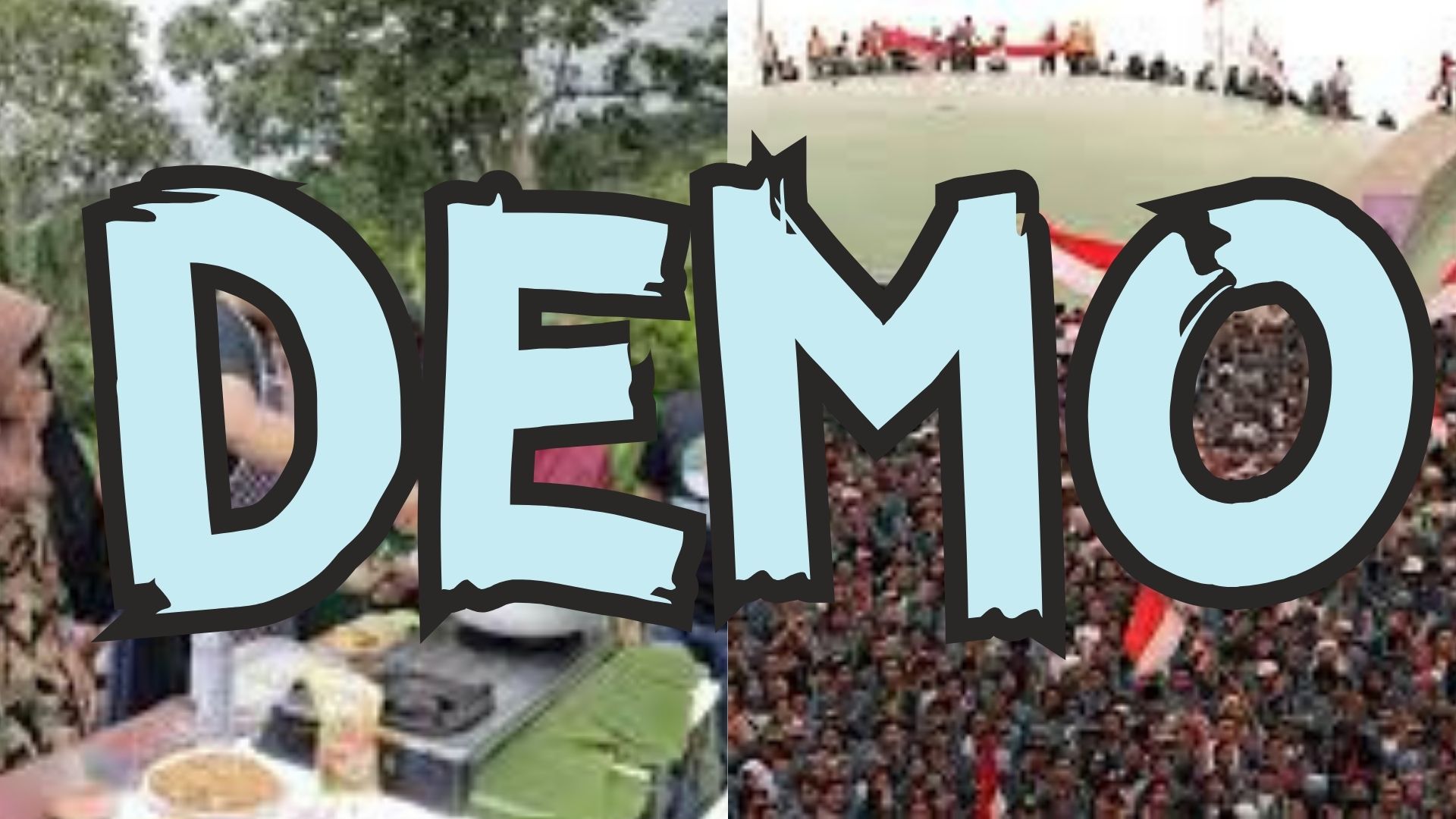
Kalau kita mendengar kata demo, mungkin pikiran kita langsung terbagi dua. Pertama, demo mahasiswa yang turun ke jalan menyuarakan aspirasi, biasanya terkait kebijakan pemerintah. Kedua, demo masak ibu-ibu yang sering kita lihat di acara kuliner, di mana seorang chef memperagakan cara memasak suatu hidangan. Dua contoh ini menunjukkan bahwa kata demo punya makna berbeda tergantung konteksnya.
Dalam bahasa Inggris, kata “demo” bisa diterjemahkan menjadi demonstration. Namun, penggunaannya bervariasi:
1. Untuk demo mahasiswa atau aksi protes → demonstration atau protest.
Contoh:
The
students organized a demonstration against the new education policy.
(Para mahasiswa mengadakan demonstrasi menentang kebijakan pendidikan baru.)
2. Untuk demo masak → cooking demonstration atau food demo.
Contoh:
The
chef gave a cooking demonstration at the food festival.
(Koki itu memberikan demo masak di festival kuliner.)
3. Untuk demo produk → product demo.
Contoh:
The
company launched a product demo to attract customers.
(Perusahaan meluncurkan demo produk untuk menarik pelanggan.)
Berikut adalah kosakata bahasa Inggris terkait demo:
|
Bahasa Indonesia |
Bahasa Inggris |
Makna |
Contoh Kalimat |
|
Demonstrasi |
Demonstration |
Kegiatan turun ke jalan untuk menyuarakan pendapat.
|
Thousands joined the demonstration in front of the parliament. |
|
Protes |
Protest |
Penolakan terhadap sesuatu secara terbuka.
|
Workers staged a protest against low wages. |
|
Pawai |
March |
Aksi berjalan bersama untuk tujuan politik/sosial.
|
The citizens held a peace march across the city. |
|
Aksi |
Rally |
Pertemuan massa untuk tujuan politik/dukungan.
|
The rally in the square attracted thousands of people.
|
|
Mogok kerja |
Strike |
Aksi berhenti bekerja untuk menuntut hak.
|
The factory workers went on strike for better conditions. |
|
Piket |
Picket |
Aksi berjaga di depan lokasi kerja/gedung untuk memprotes.
|
The employees formed a picket line outside the office. |
|
Kerusuhan |
Riot |
Aksi protes yang berubah menjadi rusuh.
|
The protest turned into a violent riot. |
|
Kekacauan |
Chaos |
Situasi kacau akibat demo/kerusuhan.
|
The chaos in the city lasted for hours after the protest. |
|
Aktivis |
Activist |
Orang yang memperjuangkan isu sosial/politik.
|
Activists demanded justice for the victims.
|
|
Pemerintah |
Government |
Lembaga yang memimpin negara. |
The government responded to the protest with a new policy.
|
|
Parlemen |
Parliament |
Badan legislatif tempat rakyat diwakili.
|
The demonstration took place outside the parliament building.
|
|
Demokrasi |
Democracy |
Sistem politik berdasarkan kedaulatan rakyat.
|
Freedom of speech is a vital part of democracy.
|
|
Rezim |
Regime |
Pemerintahan otoriter/tertentu.
|
The regime suppressed all political protests.
|
|
Otoriter |
Authoritarian |
Sistem pemerintahan yang mengekang kebebasan rakyat.
|
The authoritarian rule limited freedom of expression. |
|
Hak |
Rights |
Sesuatu yang dimiliki setiap warga negara.
|
Protesters demanded equal rights for all citizens. |
|
Kebebasan |
Freedom |
Kondisi bebas dari penindasan/aturan yang mengekang.
|
Freedom of assembly is guaranteed in many democracies.
|
|
Ketidakadilan |
Injustice |
Keadaan tidak adil yang sering memicu demo.
|
The demonstration was sparked by social injustice. |
|
Penindasan |
Oppression |
Tindakan menekan atau mengekang kebebasan orang lain.
|
They protested against political oppression. |
|
Reformasi |
Reform |
Perubahan besar dalam sistem politik/sosial.
|
The students demanded reform in the education sector.
|
|
Dekrit |
Decree |
Perintah resmi dari penguasa.
|
The protest was triggered by a new government decree.
|
|
Solidaritas |
Solidarity |
Rasa kebersamaan dan dukungan terhadap sesama.
|
The workers marched in solidarity with their colleagues. |